Abstract Background Hyperkalemic Periodic Paralysis (hyperPP) is an autosomal dominant genetic disorder where high extracellular potassium is associated with skeletal muscle depolarization and both flaccid muscle weakness as well as delayed muscle relaxation that can lead to myotonia and myopathy
Like with any prescription drug, semaglutide can cause side effectsmostly gastrointestinal issues, like an upset stomach or constipation
Weighing yourself at the same time each day, ideally in the morning after using the bathroom and before eating or drinking, gives the most consistent data
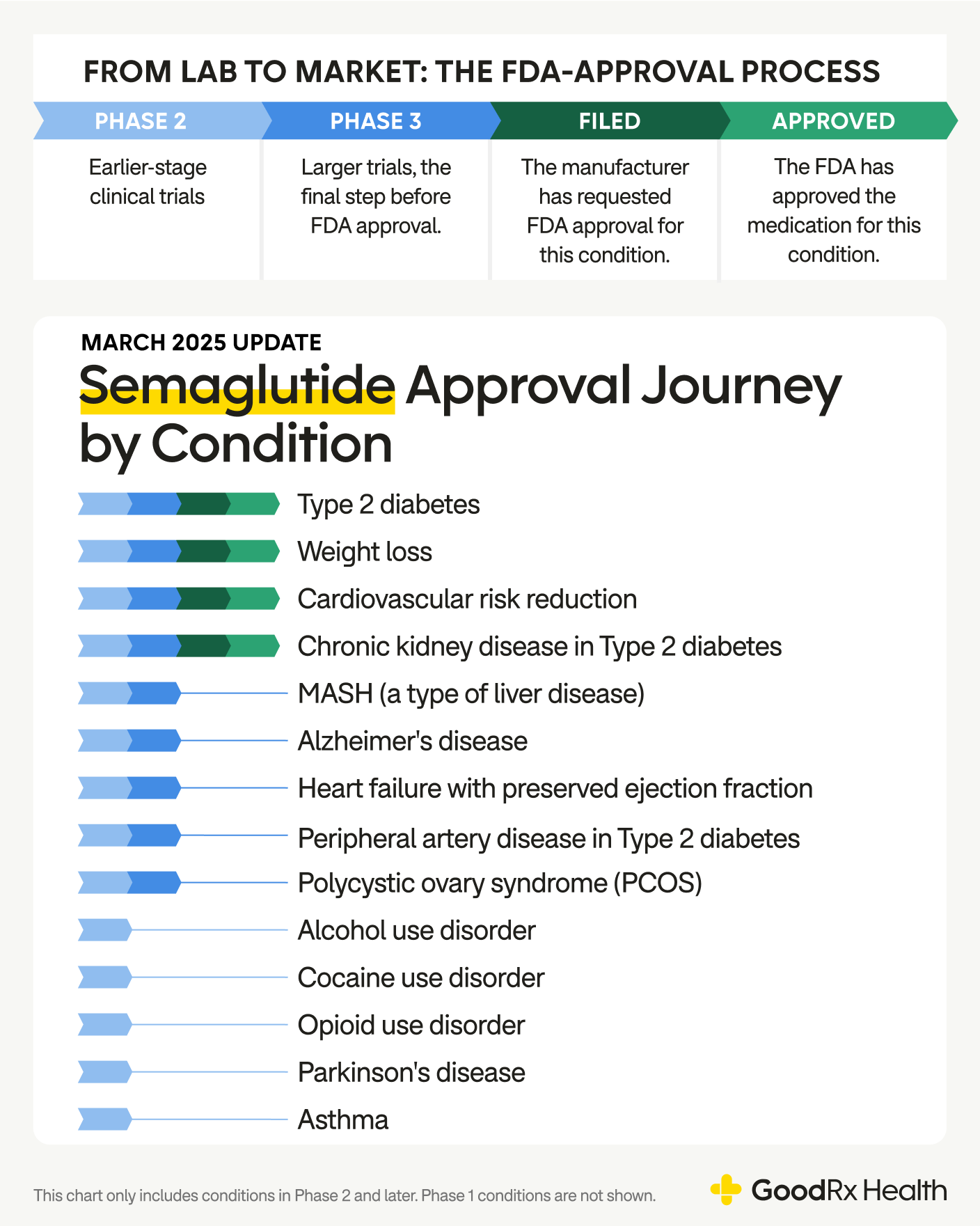
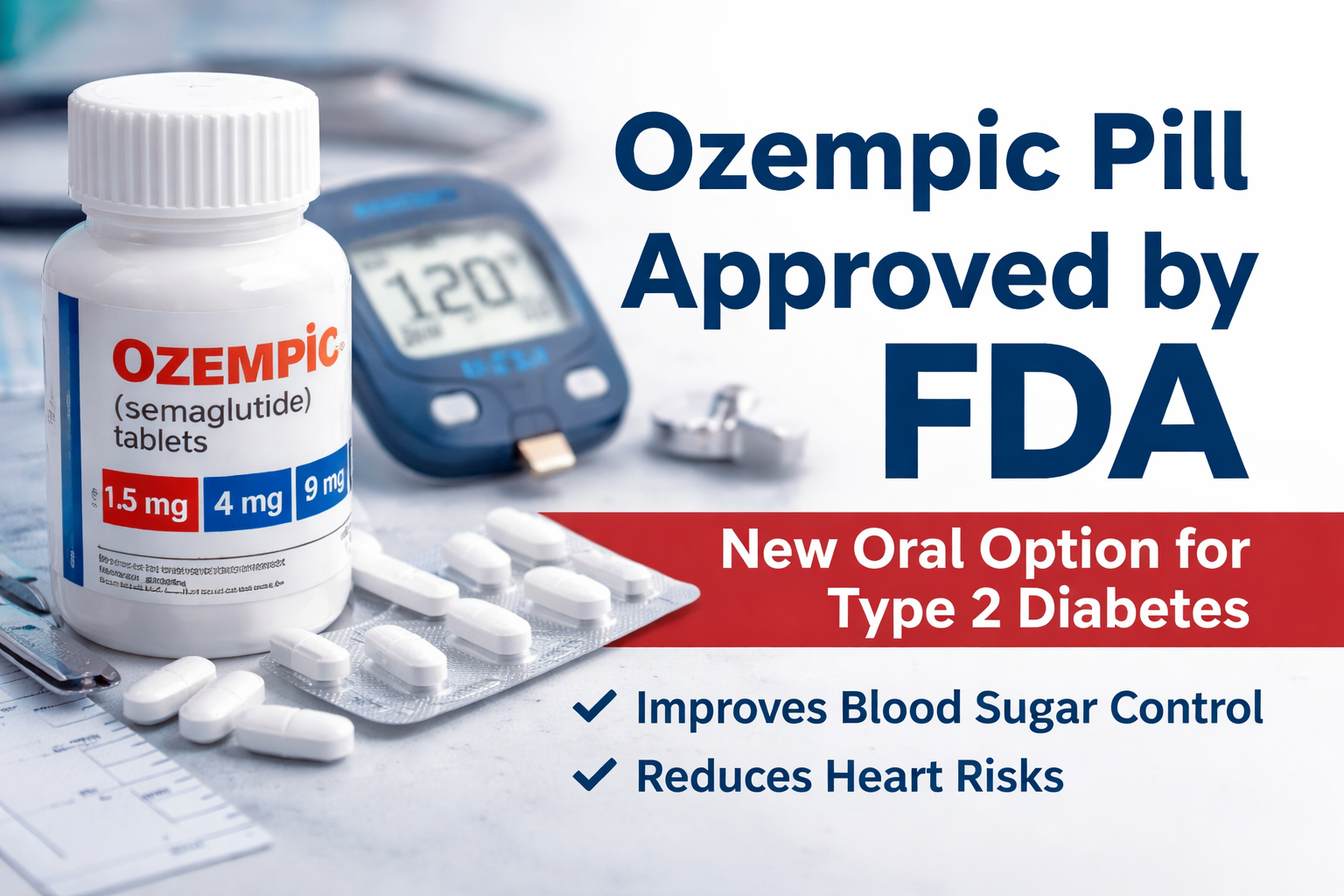
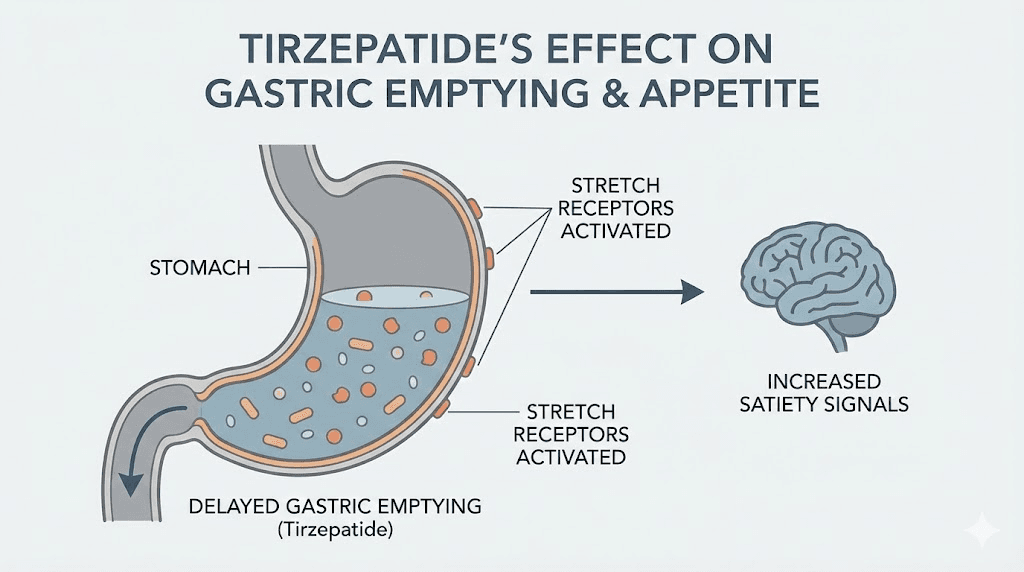
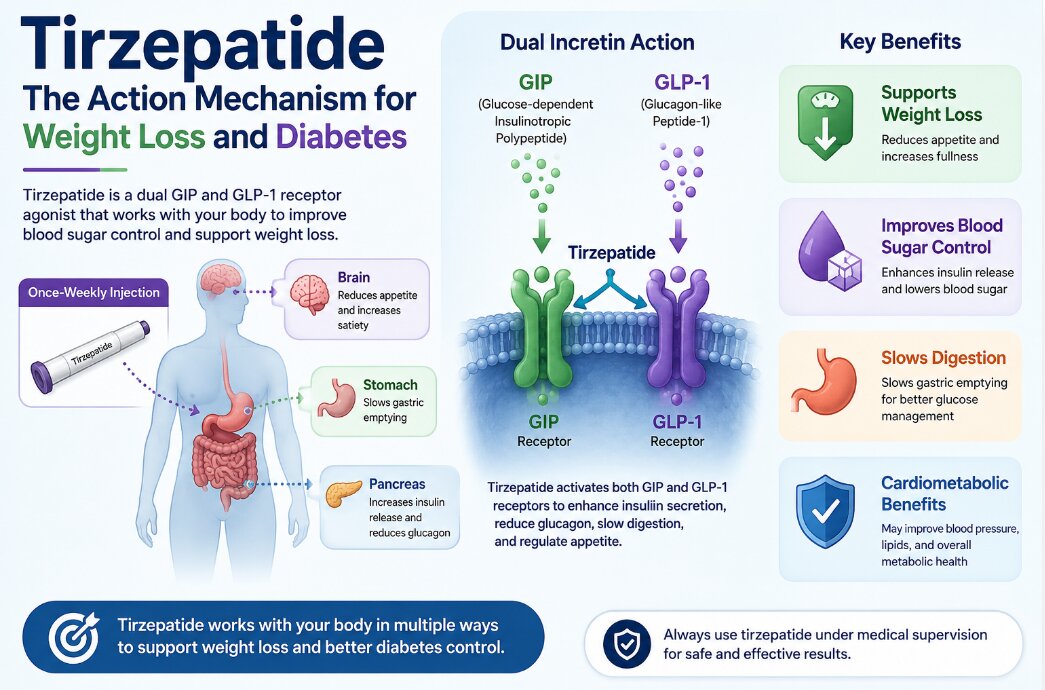
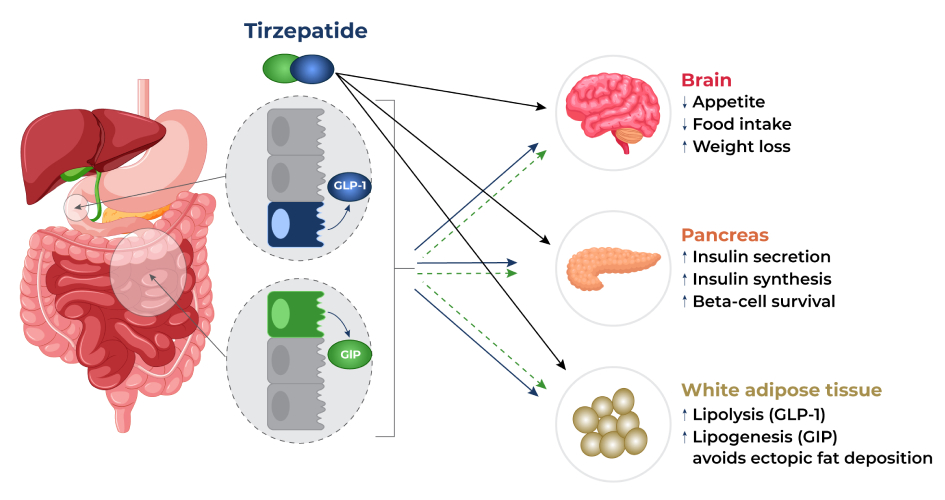
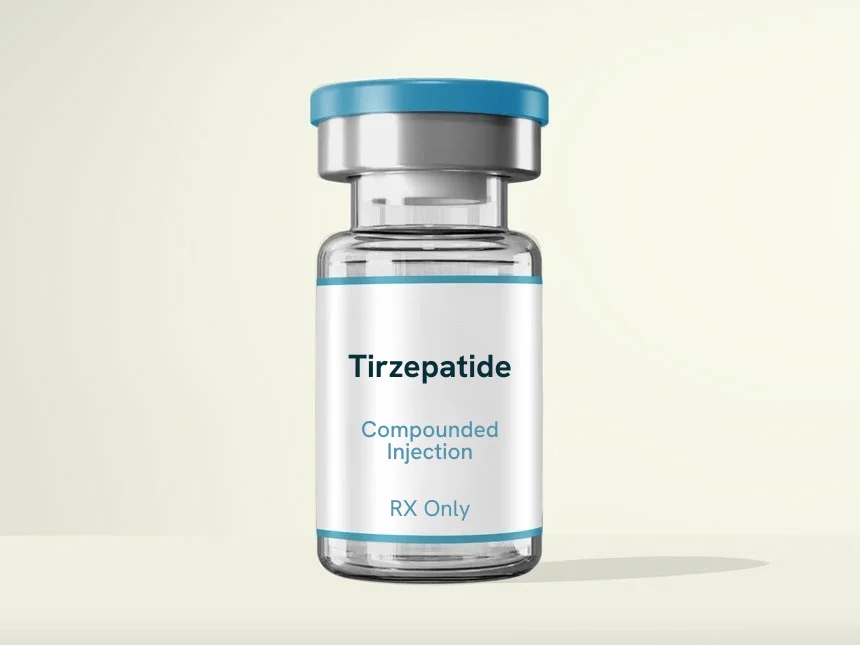
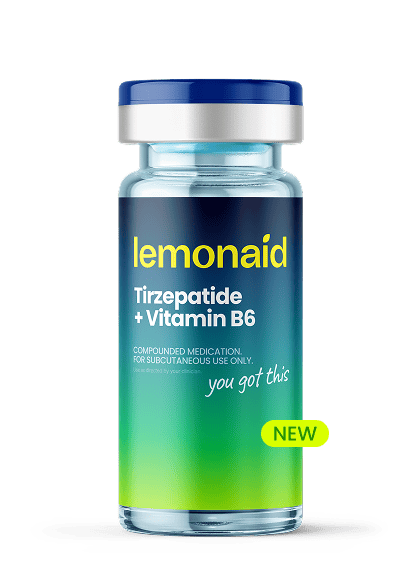
The list includes but is not limited to: Semaglutide (Ozempic, Wegovy, and Rybelsus) Tirzepatide (Mounjaro, Zepbound) Dulaglutide (Trulicity) Exenatide (Bydureon Bcise, and Byetta) Liraglutide (Victoza, Saxenda) Lixisenatide (Adlyxin) Albiglutide (Tanzeum) These medications will act like the hormone Glucagon-like peptide 1
Additionally, the appetite suppression that contributes to weight loss can inadvertently lead to reduced electrolyte intake if patients significantly decrease their food and beverage consumption
Troubleshooting Having issues with injecting your semaglutide medication