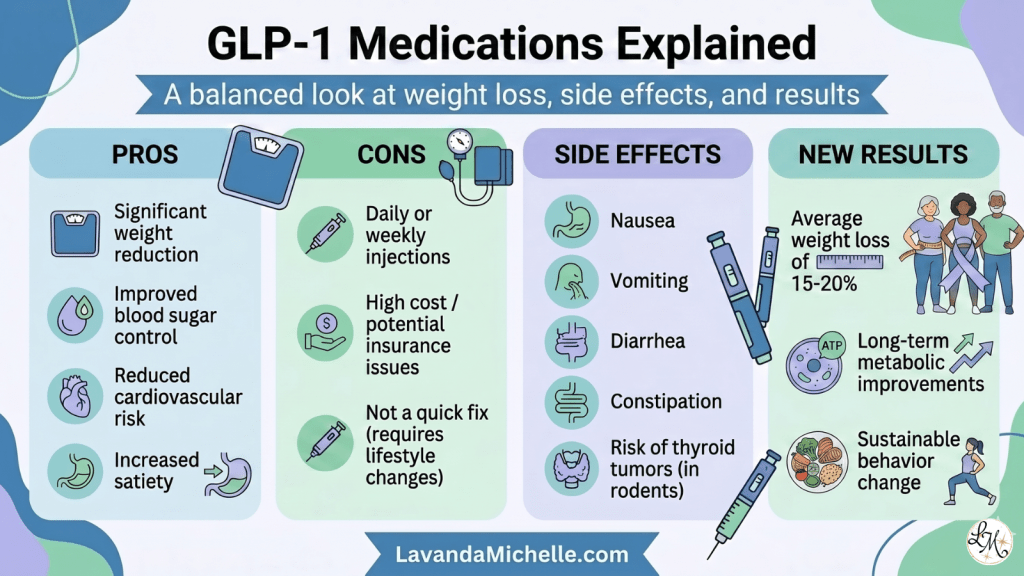
These may include gastrointestinal symptoms, metabolic changes, or other risks requiring monitoring
Polybutene, Ethylhexyl Palmitate, Caprylic/Capric Triglyceride, Hydrogenated Castor Oil, Stearalkonium Hectorite, Ricinus Communis (Castor) Seed Oil, Glycerin, Ceramide Np, Ceramide Ap, Portulaca Pilosa Extract *, Tocopherol, Vaccinium Macrocarpon (Cranberry) Seed Oil, Helianthus Annuus (Sunflower) Seed Oil, Palmitoyl Tripeptide-38, Cetearyl Ethylhexanoate, Isostearyl Isostearate, Polyglyceryl-3 Diisostearate, Polyglyceryl-3 Polyricinoleate, Sorbitan Isostearate, Sucrose Cocoate, Titanium Dioxide, Iron Oxides (CI 77491, 77492, 77499), Blue 1 Lake (CI 42090)
Services offered: Patient support (omnichannel, multilingual), technical support, back office operations, insurance verification, prior authorization support, CX consulting, data operations Pros: 2.8% monthly attrition vs 6-8% industry average, 90% CSAT, native-speaker support in 45 languages, SOC 2/HIPAA/GDPR/ISO 27001 certified, 5-year average client partnerships, 19 global locations for 24/7 coverage Cons: Longer sales cycle due to consultative onboarding
Understanding this timeline helps set realistic expectations as you begin therapy with this once-weekly injectable medication
The natural decline in healing capacity with age means peptides may produce more modest percentage improvements in older users
96 Apoptosis When cells are under severe stress conditions, such as DNA damage, which cannot be repaired through cell cycle arrest, p53 induces apoptosis to eliminate damaged cells (Table 1)