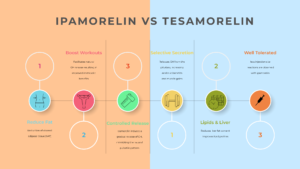
tesamorelin and ipamorelin stack benefits
Shipping Estimate
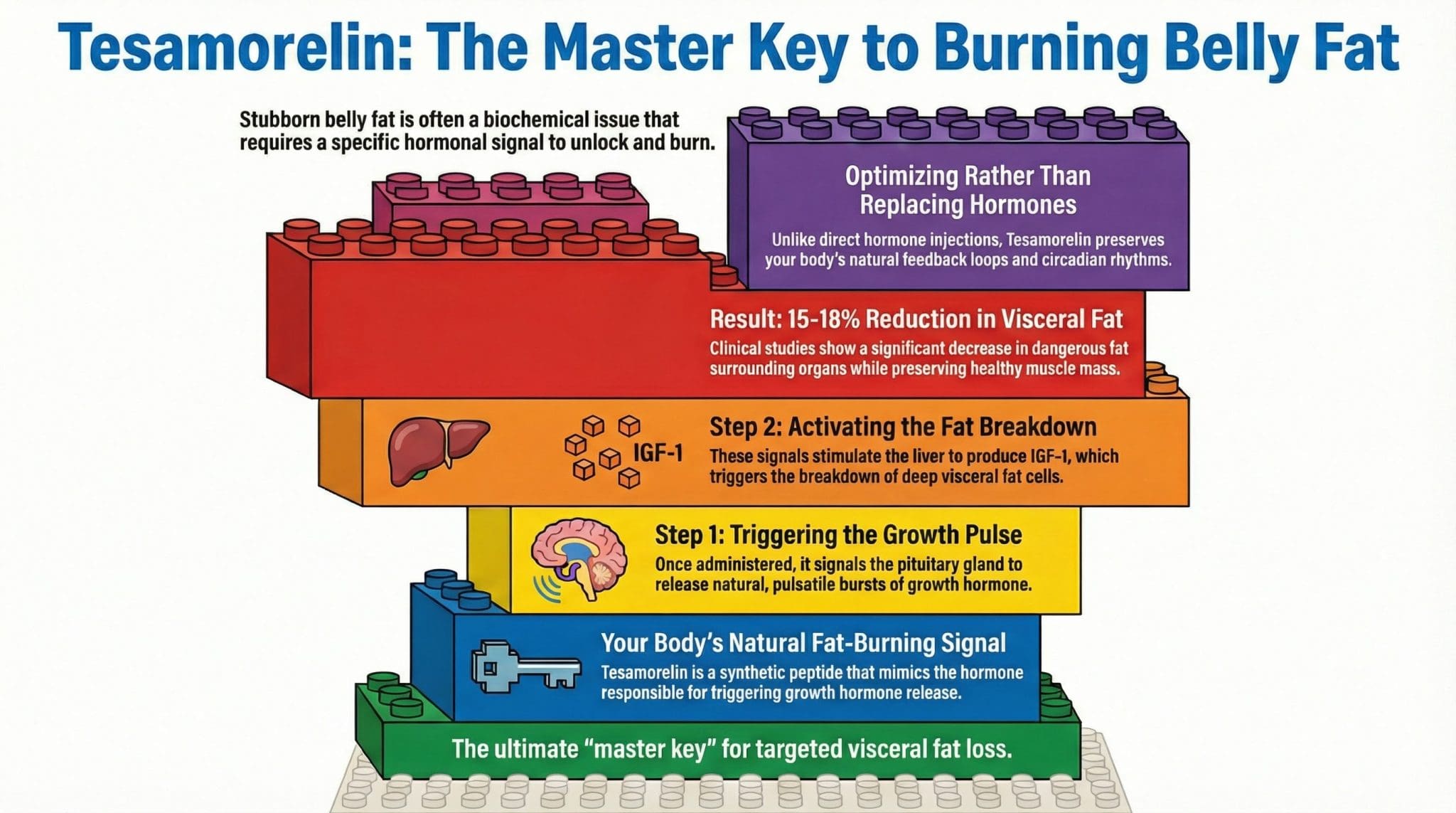
tesamorelin and ipamorelin stack benefits vs. Tesamorelin: Understanding the Differences Sermorelin, Ipamorelin & Tesamorelin Peptide
USD27.31
USD51.31
Pay in 4 interest-free payments of $6.83 Learn more
Shipping Estimate
USA
- USA
- CAN
- USA
- CAN
Ships within 48 hours · Estimated delivery Aug 5 - Aug 10



















![Jackson Ford: GIRL WHO COULD MOVE SHIT WITH HER MIND [2019] paperback Condition:Good](https://cdn.shopify.com/s/files/1/0616/4001/6057/files/ford-jackson-jackson-ford-girl-who-could-move-shit-with-her-mind-2019-paperback-57938788090195.jpg?v=1727224337)