Key characteristics: A short fragment (approximately 1517 amino acids depending on the exact modification) rather than a full-length hormone Referenced in literature exploring structure-activity relationships within specific growth hormone fragments Distinct in origin and mechanism of interest from full-length growth hormone or GHRH analogues such as tesamorelin Structural Comparison Table Why Researchers Distinguish Between Them Despite both being short peptides sometimes discussed in metabolic research contexts, MOTS-C and AOD9604 have entirely different biological origins and mechanisms of research interest
Improve Cognitive Abilities*
Where to buy +61296770780 Direct From Manufacturer Sini Australia Pty Ltd 7 Grex Avenue MINCHINBURY, New South Wales 2770 Where available Country Region Asia * All products may not be available at all stores, countries and regions

Research-Referenced Functional Attributes (Based on existing preclinical and literature datanot intended as claims of therapeutic use) High-affinity binding to HGF and potentiation of c-Met activation in the presence of subthreshold HGF concentrations in cellular assays (DOI: 10.1124/jpet.114.218735) Induction of synaptogenesis and dendritic spine formation through HGF/c-Met pathway augmentation in neuronal models Observation of PI3K/AKT signaling modulation in APP/PS1 mouse models (DOI: 10.3389/fnagi.2021.748253) Investigation of neuroregenerative signaling mechanisms in scopolamine-induced impairment paradigms Examination of synaptic protein expression markers in aging or stress-challenged experimental systems Examination of oral bioavailability and blood-brain barrier penetration in rodent studies

In some patients, an increased expression of Toll-like receptor (TLR)-4 which recognizes bacterial LPS, TLR-5 which recognizes bacterial flagellin and increased levels of anti-flagellin antibodies were found in post-infection IBS ( There had been many instances when commensals (normal microbiota) reportedly turned pathogenic such as the case of Enterococcus faecalis which had inadvertently acquired a number of virulence genes that conferred vancomycin resistance (Paulsen et al., 2003)
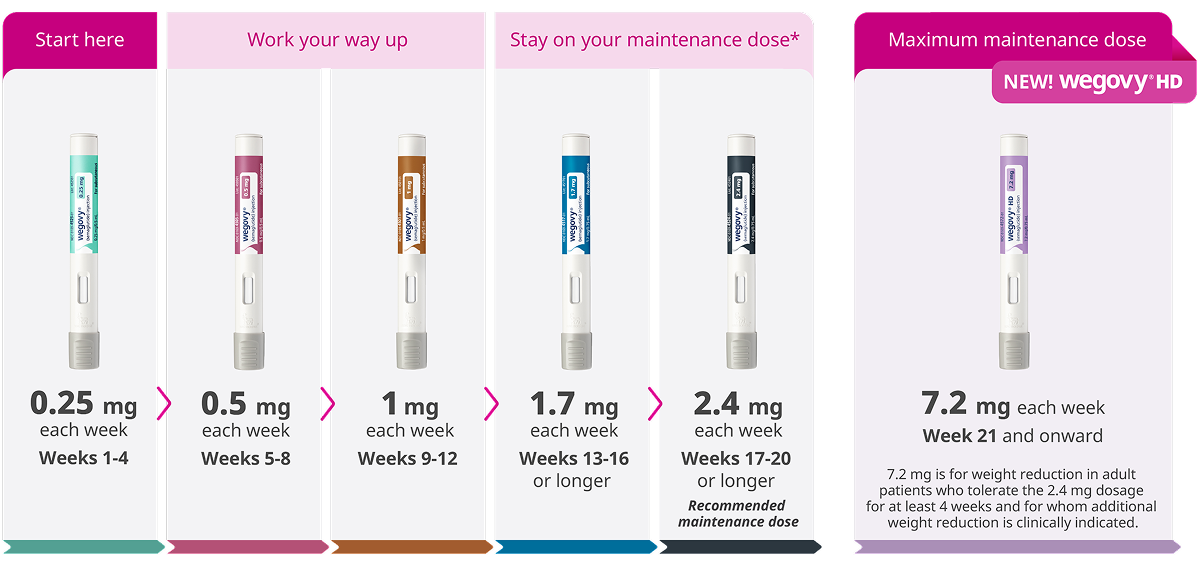
The typical starting dose is 2.5 mg, and it goes up to 15 mg