The pathophysiology is unclear, but risk factors are thought to be the same as the type 1 diabetic patients who rapidly improved A1c in the Diabetes Control and Complications Trial: long duration of diabetes mellitus, long duration of poor glycemic control, worse baseline level of DR prior to treatment and magnitude of reduction in A1c after treatment
Despite these preliminary findings, substantial uncertainty remains
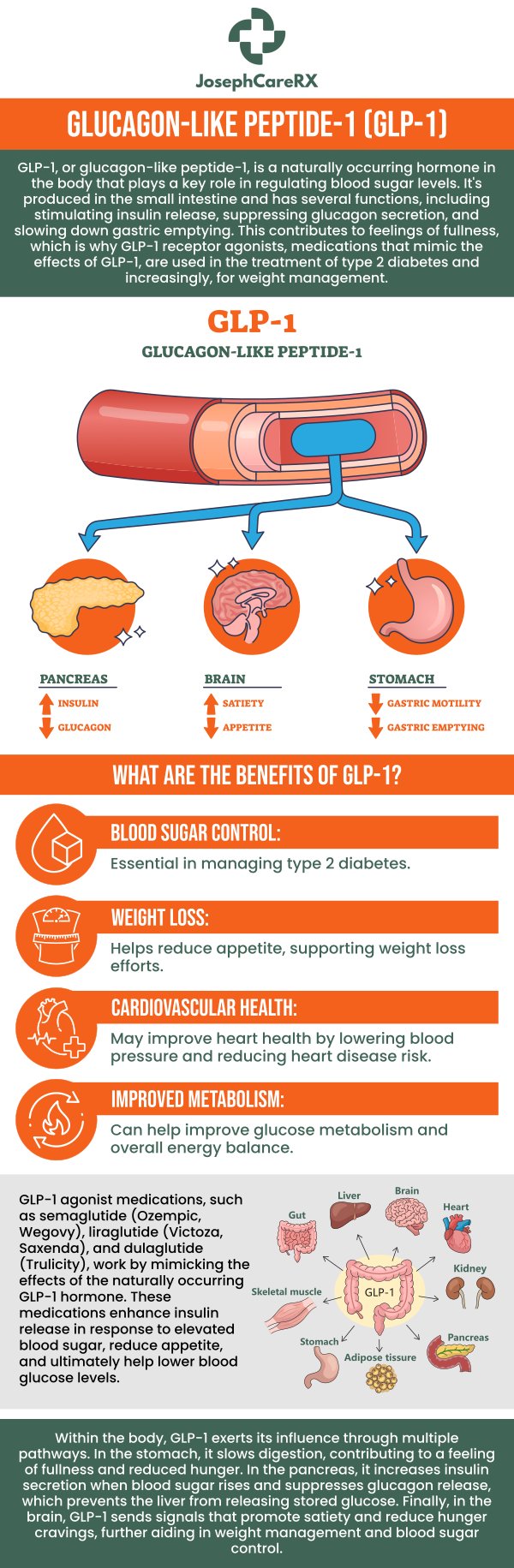
Section 1: What Is GLP-1
Subsequently, Moore proposed the hypothesis that intestinal secretions might have a glycemic-lowering effect in diabetics, which was the first study to suggest an effect of intestinal secretions on blood glucose ( The 21st century has seen significant progress in GLP-1R agonist research, with liraglutide (exenatide) becoming the first GLP-1R agonist to be approved by the US Food and Drug Administration (FDA) for the treatment of T2DM in 2005 ( ) and dulaglutide (Trulicity ) have been approve ( ), with 94% homology to human GLP-1, were approved in 2019 as the first GLP-1R agonists for oral administration (Table 2)
This finding supports the role of glucose toxicity in DM-related dopaminergic dysfunction and cognitive impairment, suggesting that advanced glycation end products (AGEs) and their precursor methylglyoxal (MGO) are linked to cognitive impairment and changes in the dopaminergic system
Lifestyle changes, like staying hydrated, wiping from front to back, and avoiding tight-fitting clothing can help prevent UTIs