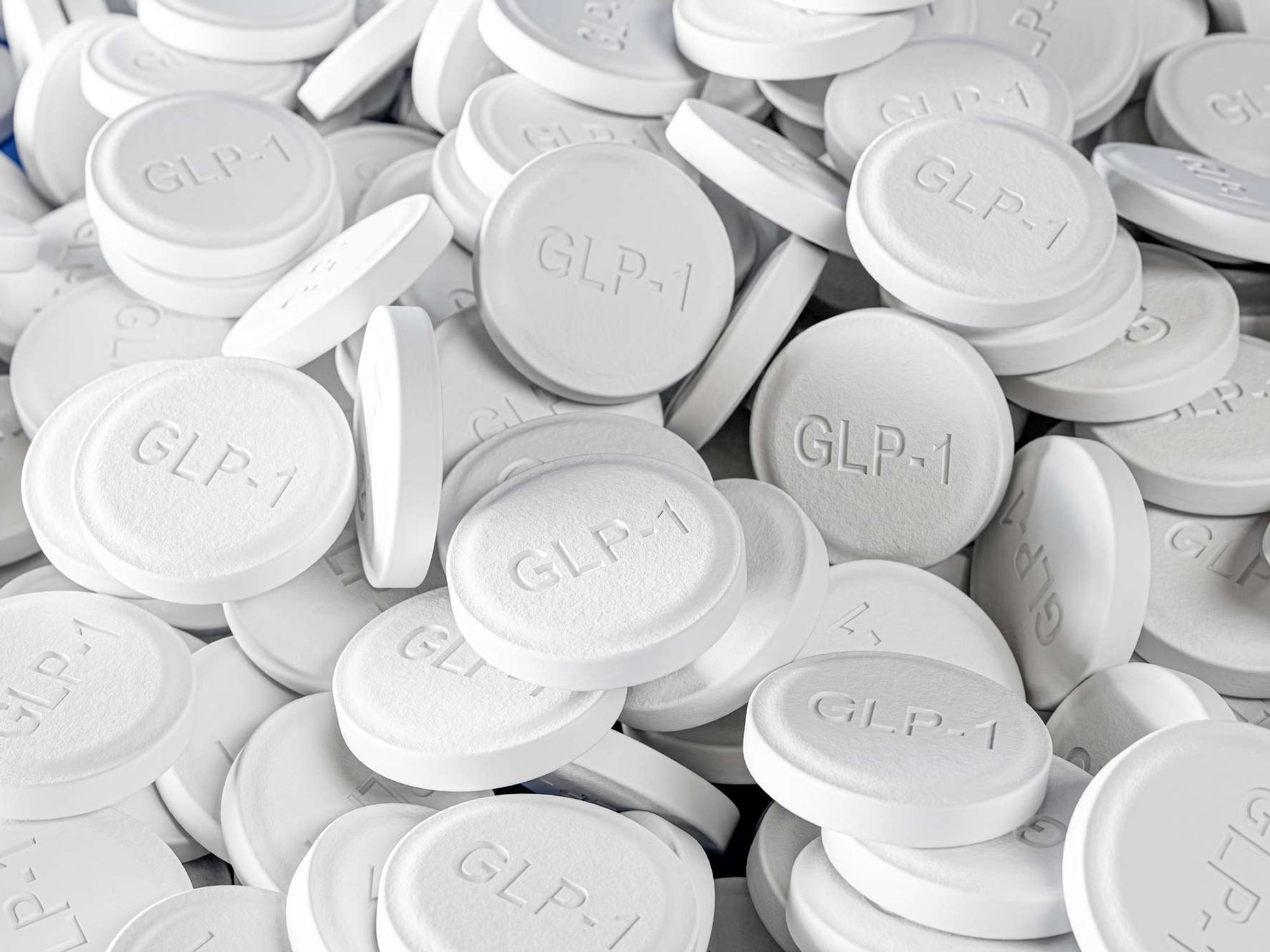
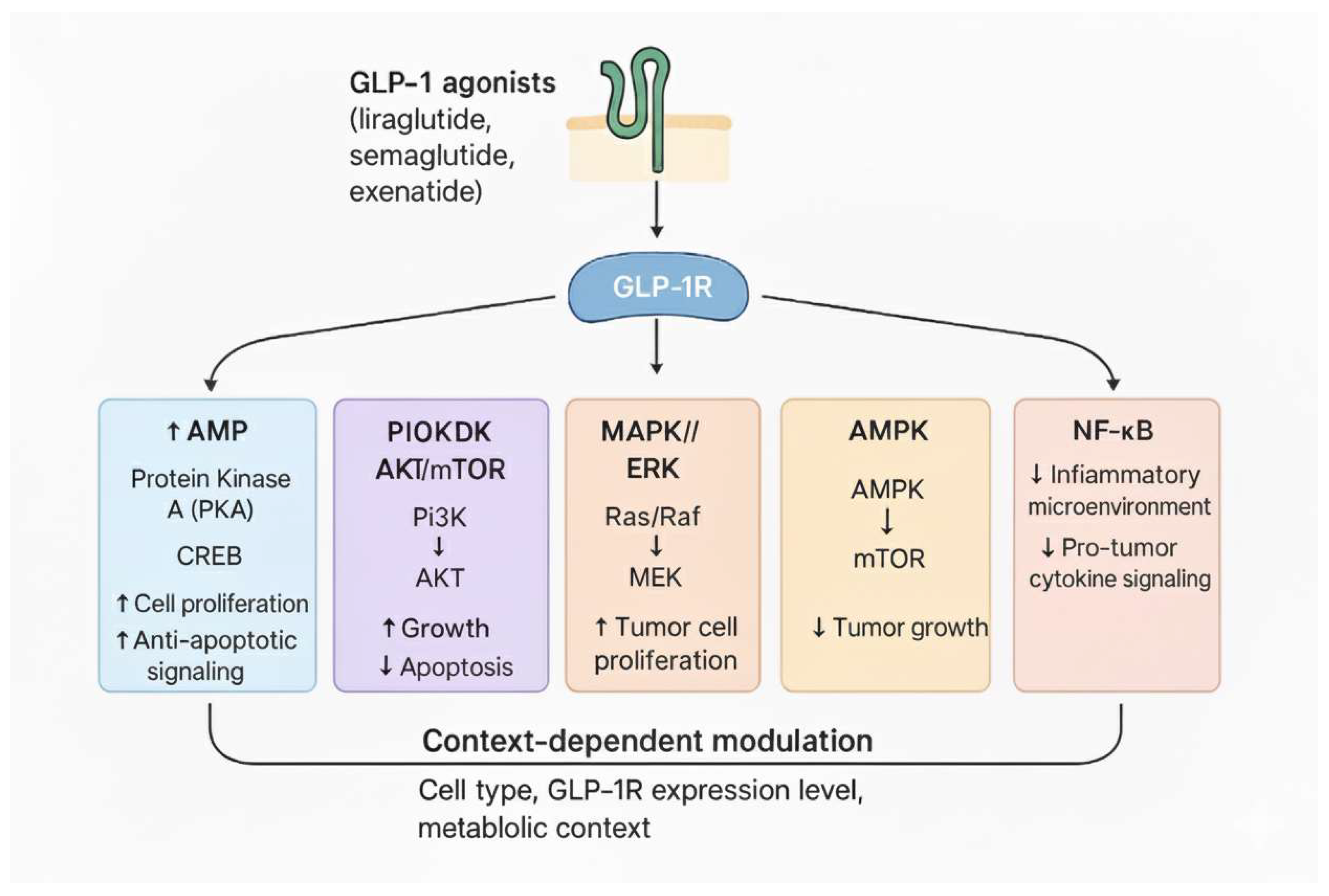
Lack of Combination-Specific Data The most significant limitation is the absence of published research on the specific GLP3 + cagrilintide combination : No peer-reviewed studies examining GLP3 + cagrilintide blend specifically exist Combination data comes from cagrilintide + GLP1, not GLP3 Potential interactions between GLP3 and cagrilintide remain uninvestigated Optimal dose ratios for the combination completely unknown Safety profile of the specific combination uncharacterized Long-Term Safety Considerations Critical safety questions remain unanswered even for individual components[22]: Chronic use effects beyond 68 weeks inadequately studied Cardiovascular safety outcomes trials (CVOT) ongoing but not yet reported Cancer risk assessment requires longer-term epidemiological data Reproductive safety and effects on fertility incompletely characterized Pediatric safety and efficacy not established for either component Specific concerns include dose-dependent heart rate increases, potential thyroid C-cell effects (theoretical concern with GLP-1 agonists), and gallbladder-related adverse events observed with rapid weight loss

Two lineages of immune cells that differentially express the vitamin D receptor
Ng TH, Chung KF, Ho FY, Yeung WF, Yung KP, Lam TH
dev149344.doi Klapheck S (1988) Homoglutathione: isolation, quantification and occur-rence in legumes
Whilst there is no formal contraindication listed in UK prescribing guidance, the combination raises important clinical considerations
For example, a research group at the Cleveland Clinic in the U.S






:max_bytes(150000):strip_icc()/Health-GettyImages-2153927815-0bf99cd73e2c46908d7fc0973739f6d0.jpg)